Education
How AI Is Reshaping Higher Education And What It Means for Students in 2026
Friday, March 13, 2026
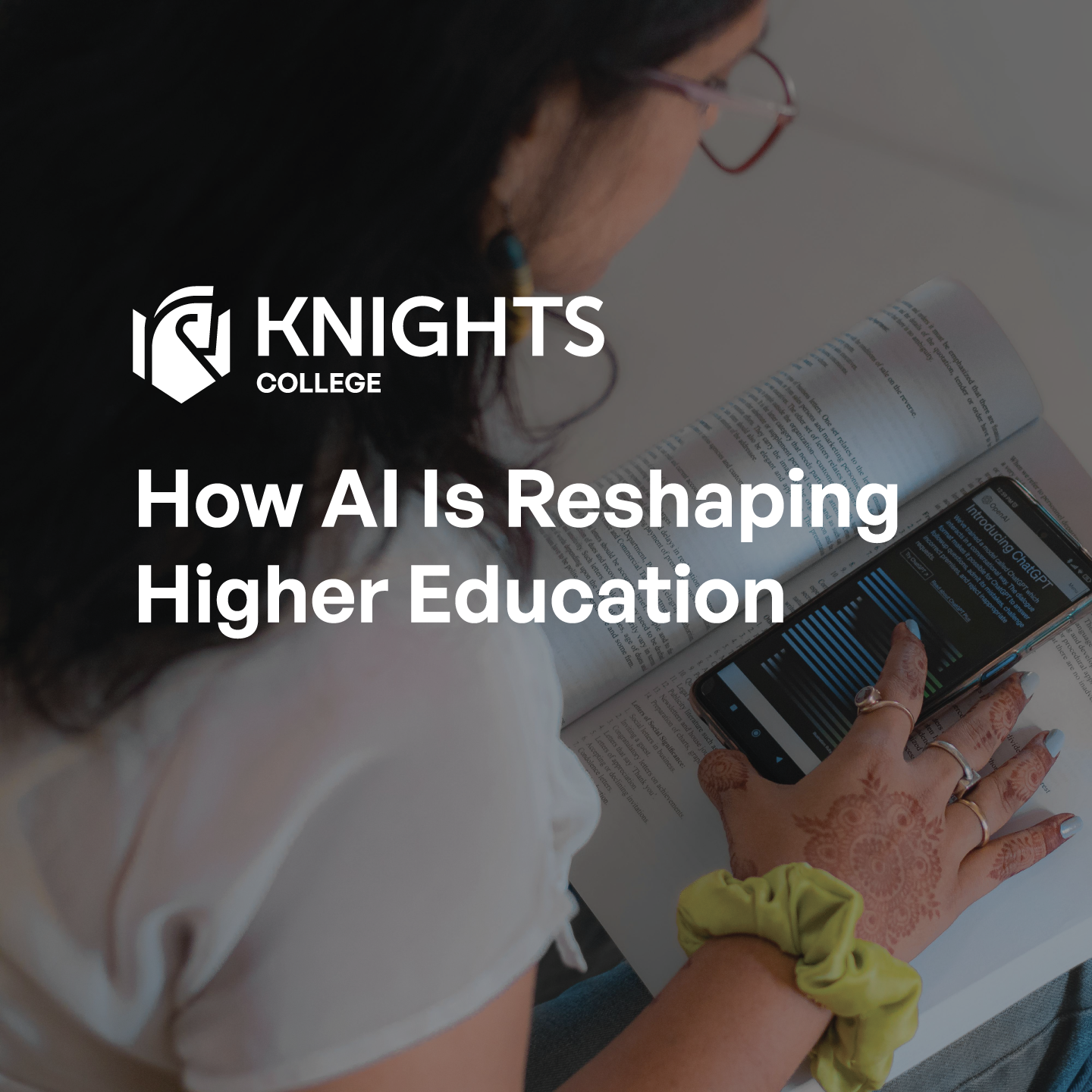

Artificial intelligence is no longer a futuristic concept in higher education, it is the infrastructure on which modern learning is being built. A 2025 survey by the Higher Education Policy Institute found that 92% of university students now use generative AI tools in some form, up from 66% just one year earlier. For institutions, the question has shifted from "Should we adopt AI?" to "How do we integrate it effectively?"
The Scale of Change
The numbers tell a compelling story. The global AI-in-education market reached $7.57 billion in 2025, and the sector is growing at a compound annual growth rate of approximately 30% through 2030. The European Union has responded with its InvestAI initiative, pledging €200 billion in public and private investment to make Europe a global AI leader — with education, training, and reskilling activities identified as key pillars.
Meanwhile, a UNESCO global survey conducted during Digital Learning Week 2025 revealed that nearly two-thirds of higher education institutions worldwide either already have formal AI-use policies or are actively developing them. Nine in ten respondents reported using AI tools in their professional work. The direction is clear: AI integration in higher education is accelerating, and institutions that move with purpose will be the ones that thrive.
Key Trends Shaping 2026
Several converging trends are defining how AI is being deployed across campuses this year:
- Agentic AI — The shift from AI that answers questions to AI that proactively acts. Think AI tutors that identify when a student is struggling and intervene before they fall behind, or administrative agents that handle enrolment queries end-to-end.
- AI-Powered Personalisation — Adaptive learning platforms that tailor content delivery, pacing, and assessment to each student. Research shows AI personalisation can boost course completion rates by up to 70% and improve retention by 40%.
- Predictive Analytics — Universities are using AI to forecast enrolment patterns, identify at-risk students early, and optimise resource allocation ving from reactive support to proactive intervention.
- AI Fluency as a Graduation Standard — Institutions like Ohio State University now require every student to develop AI literacy. Forbes predicts that establishing a standard for AI fluency at graduation will be a defining decision for universities in 2026.
- Human-AI Partnership — The OECD's Digital Education Outlook 2026 is clear: generative AI is transformative, but only when embedded in intentional pedagogical design. The best outcomes come from hybrid models where AI amplifies teacher expertise without replacing professional judgement.
How AI Is Improving the Student Experience
For students, AI integration means more than just having access to ChatGPT. Universities worldwide are deploying purpose-built tools that go far beyond general-purpose chatbots:
- POLIMI Graduate School of Management developed FLEXA, an AI-infused platform with access to 800,000 learning resources that creates personalised development paths.
- Nazarbayev University introduced AI Jockey sessions, where students interact with large language models during live lectures to challenge arguments and clarify concepts in real time.
- The Technical University of Munich's OneTutor AI tutor now has over 21,000 active users across 620 lectures at 30 universities.
- ESSEC Business School created eProfessor, turning faculty into virtual avatars that answer student questions with the professor's own knowledge and teaching style.
A study on AI-personalised learning in higher education confirmed that these tools significantly enhance both academic performance and intrinsic student motivation. However, the research also found that digital literacy moderates these effects (students with stronger digital skills benefit more).
Knights College × Growy | Leading by Example
At Knights College, the commitment to forward-thinking education goes beyond theory. The College has partnered with Growy, an AI-powered platform that combines a branded learning academy, intelligent help desk, and community engagement tools into a single experience
Here is what the partnership enables:
- Structured Learning Paths — Content delivered in video, audio, and text formats, allowing students and professionals to learn at their own pace.
- AI-Powered 24/7 Support — Growy's AI engine is trained on the institution's own content and user behaviour, providing instant, personalised answers to student questions around the clock.
- Gamification & Progress Tracking — Badges, leaderboards, and milestones keep learners motivated and engaged, turning education into a dynamic experience.
- Real-Time Analytics — Instructors and administrators gain visibility into learner progress, course completion rates, and content engagementenabling data-driven decisions about curriculum and support.
This kind of integration is exactly what institutions need to stay competitive. As the D2L higher education trends report notes, 2026 is the year AI moves from pilot projects to purposeful implementation and institutions that pair the right tools with strong pedagogical intent will see the best results.
Closing Remarks
The future of higher education is not about choosing between technology and tradition, it is about using one to strengthen the other. Knights College is embracing this balance, ensuring students graduate not only with qualifications but with the AI fluency and adaptive skills the modern workforce demands.
Interested in studying at an institution that is leading the way? Explore our programmes at knights.edu.mt.